
Cabbie's London — Westminster
Westminster Walking Route
Buckingham Palace → St James's Park → Churchill War Rooms → Westminster Abbey → Parliament Square

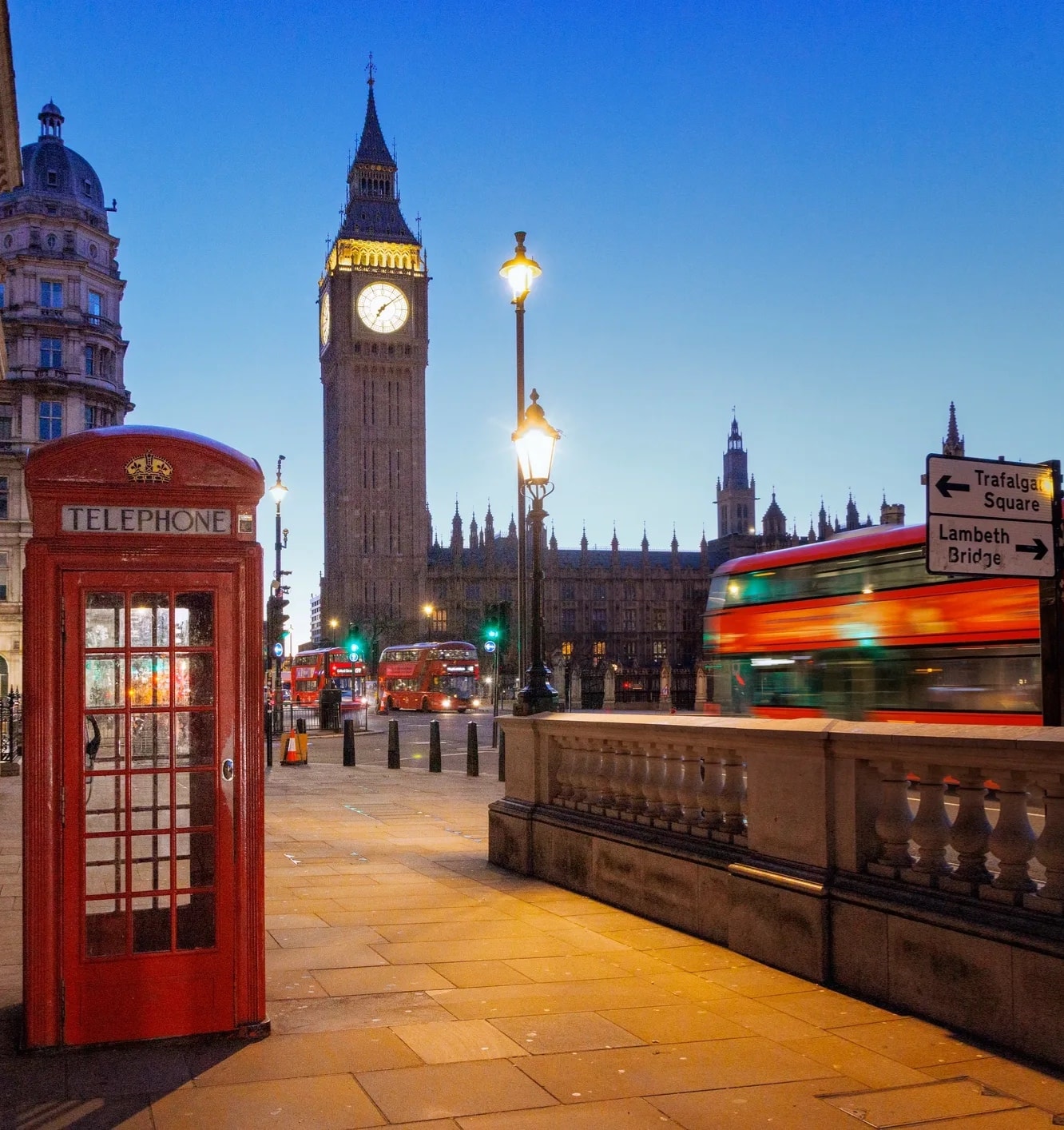
Walk Map
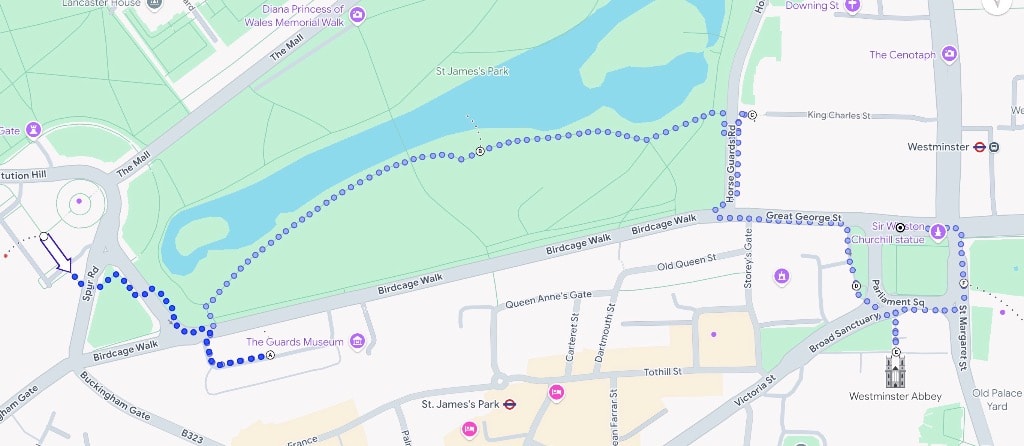
The Route
Stop by Stop
Buckingham Palace
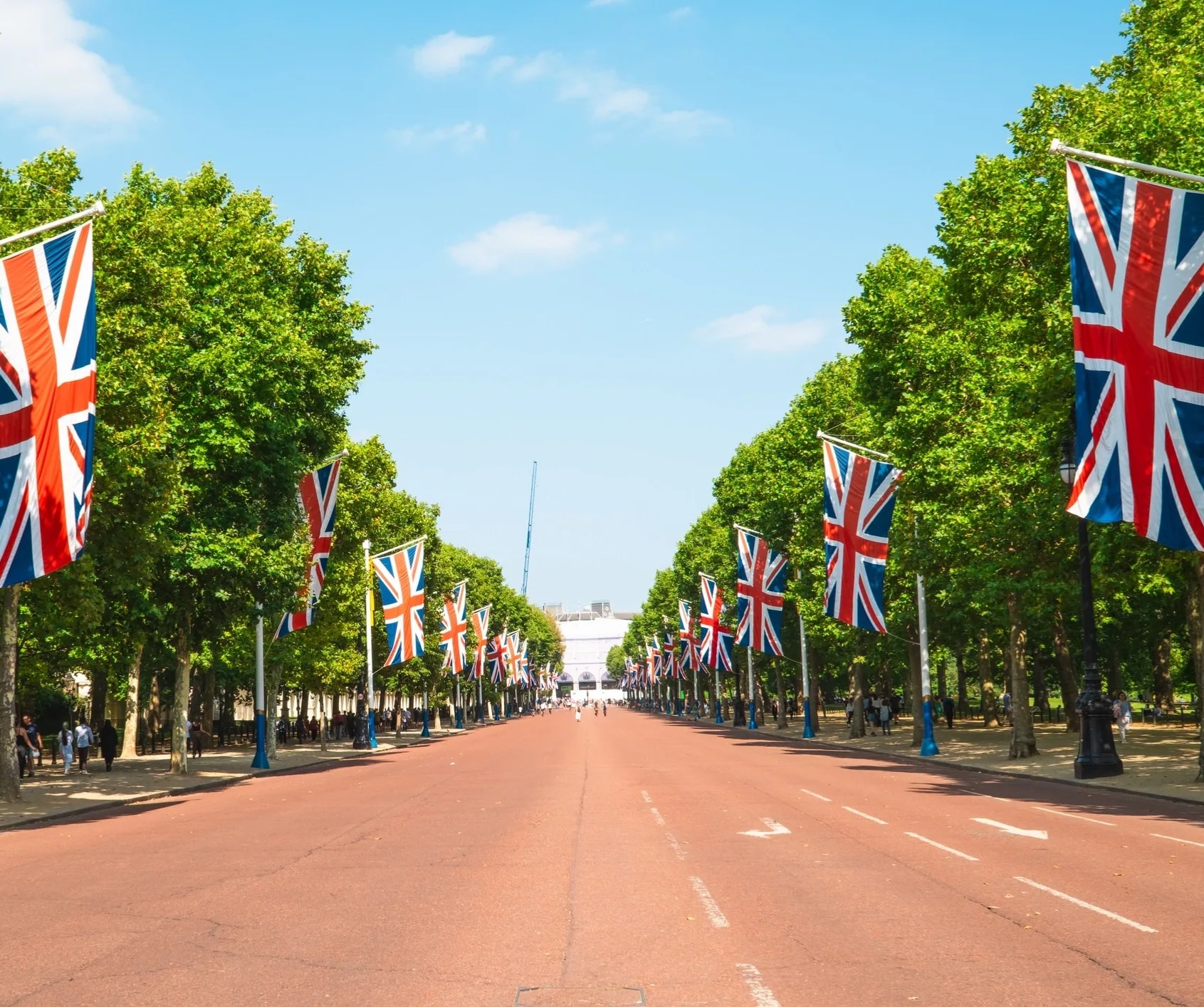
Start here — in front of the gates
The official London residence of the monarch. Stand in front of the gates for the classic view. Changing of the Guard usually happens mid-morning — usually Monday, Wednesday and Friday. Arrive between 10 and 11am for a good view.
Not Always a Palace
Originally a private townhouse bought by George III in 1761 as a residence for Queen Charlotte. It only became the main royal residence in the 1830s under Queen Victoria. Before that, the official London palace was St James's, just up the road.
Wellington Barracks
Birdcage Walk — on your right
Walk down past the barracks on the right. This is the home of the Foot Guards who perform ceremonial duties at the Palace. You'll often see soldiers in full uniform here, and it gives you a sense of the machinery behind the pageantry.
The Foot Guards
The five regiments of Foot Guards — Grenadier, Coldstream, Scots, Irish and Welsh — have been performing ceremonial duties in London since the Restoration in 1660. The bearskin hats are made from Canadian black bear fur and weigh around 1.5 pounds. They're not just for show: the Guards are fully operational soldiers.
St James's Park
Through the park toward the lake
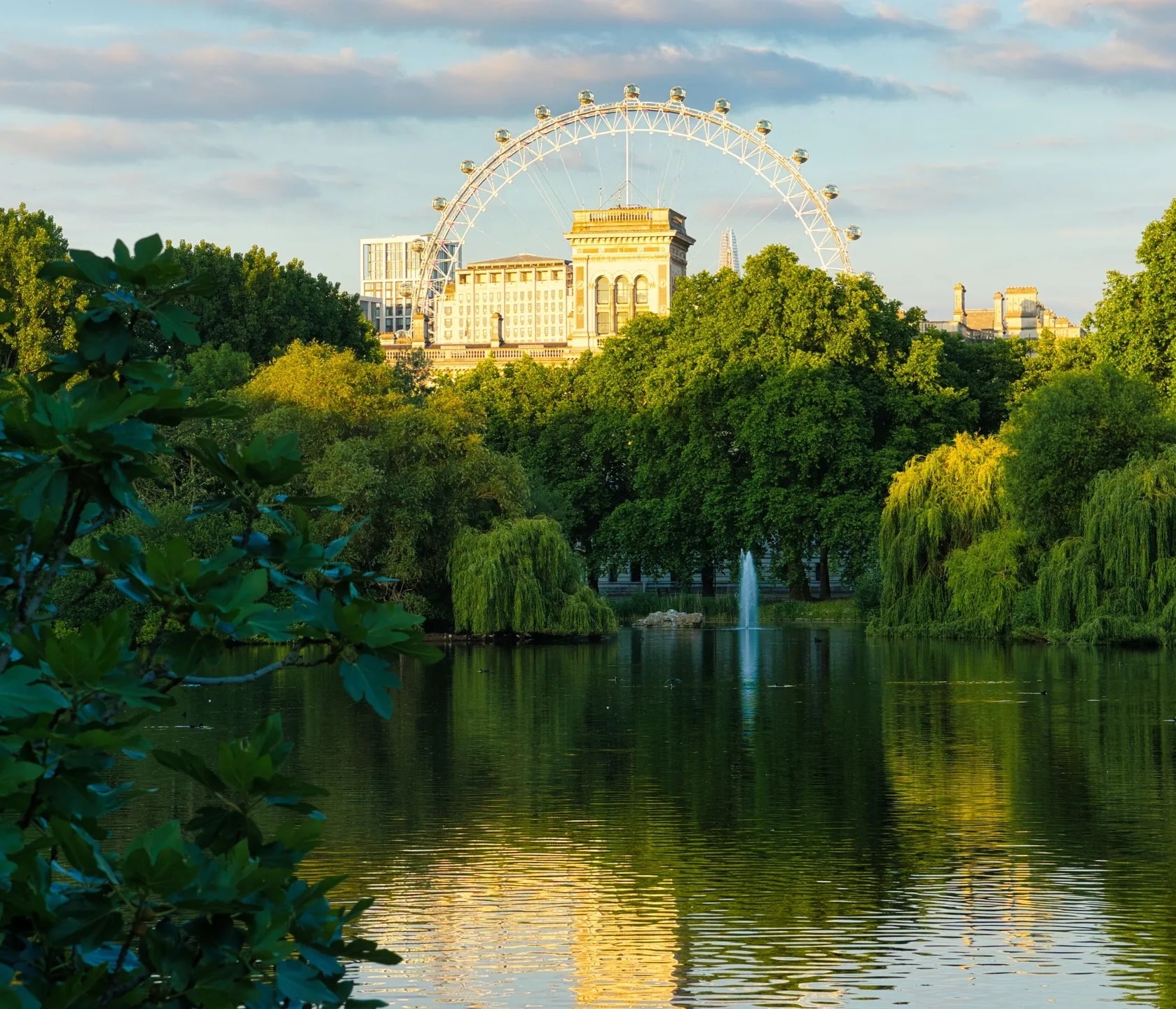
Cross into the park and follow the path towards the lake. The view from the bridge — looking east toward Horse Guards with the London Eye in the distance — is one of the best in the city. Take your time. It's a proper green lung in the middle of London and one of the oldest royal parks.
Henry VIII's Deer Park
Laid out as a deer park by Henry VIII in the 1530s on the site of a leper hospital. The current design with the lake dates from the early 19th century under George IV. The pelicans on the lake have been there since 1664, a diplomatic gift from the Russian Ambassador. They're fed daily at around 2:30pm near Duck Island.
Churchill War Rooms
Clive Steps, King Charles Street
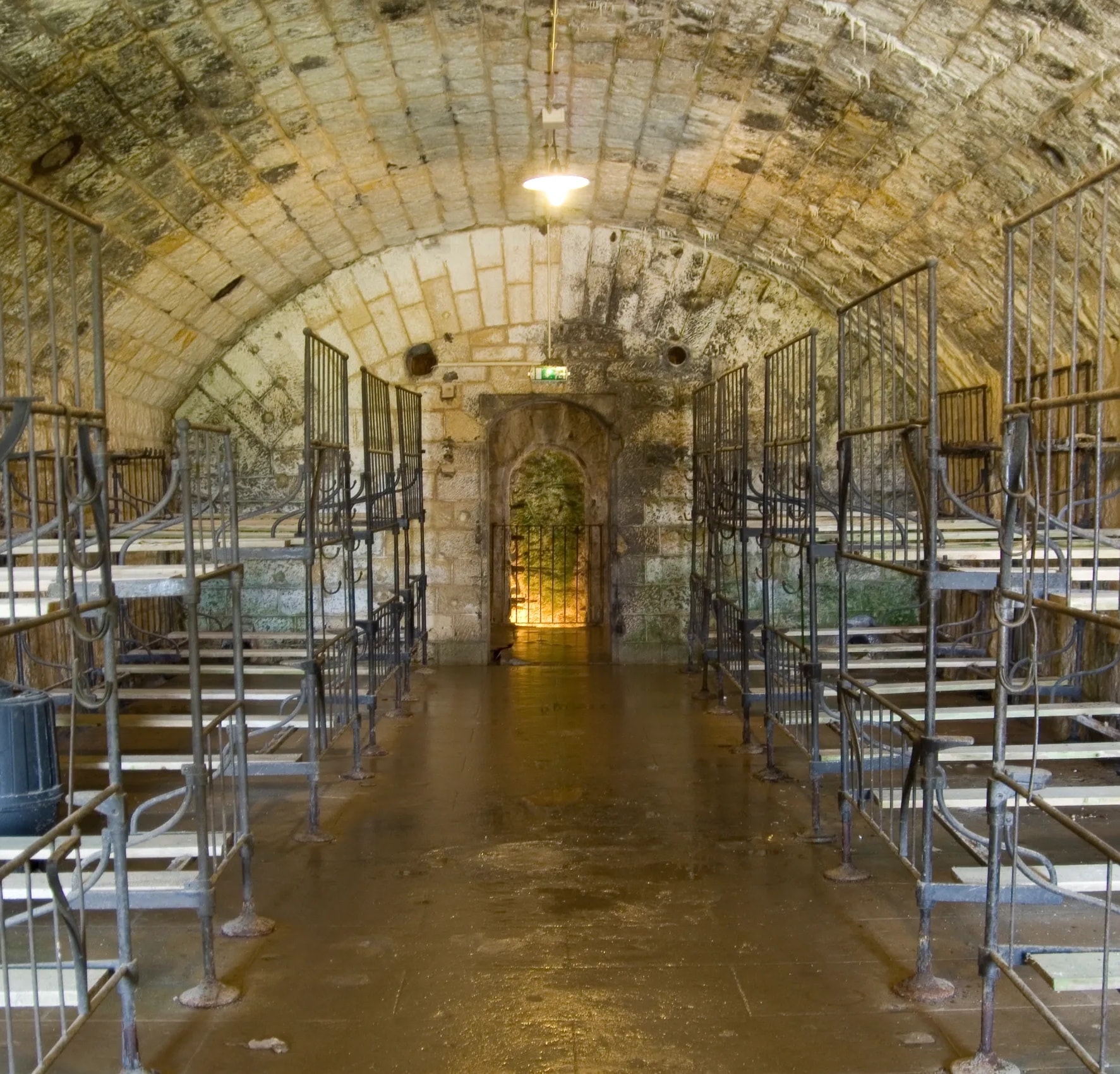
Exit the park towards Horse Guards Road and King Charles Street. The entrance is down the Clive Steps. This underground bunker was the nerve centre of Britain's war effort from 1939 to 1945. Even if you don't go inside, standing outside gives you a sense of how close the wartime government was to the heart of power.
Operational in 1939
The underground complex became fully operational just days before Britain declared war in September 1939. Churchill and his government ran the war from these rooms for six years. The Cabinet War Rooms were kept exactly as they were left in 1945 and are now a museum. The Map Room, where the war's progress was tracked hour by hour, is still intact.
Westminster Abbey
Broad Sanctuary
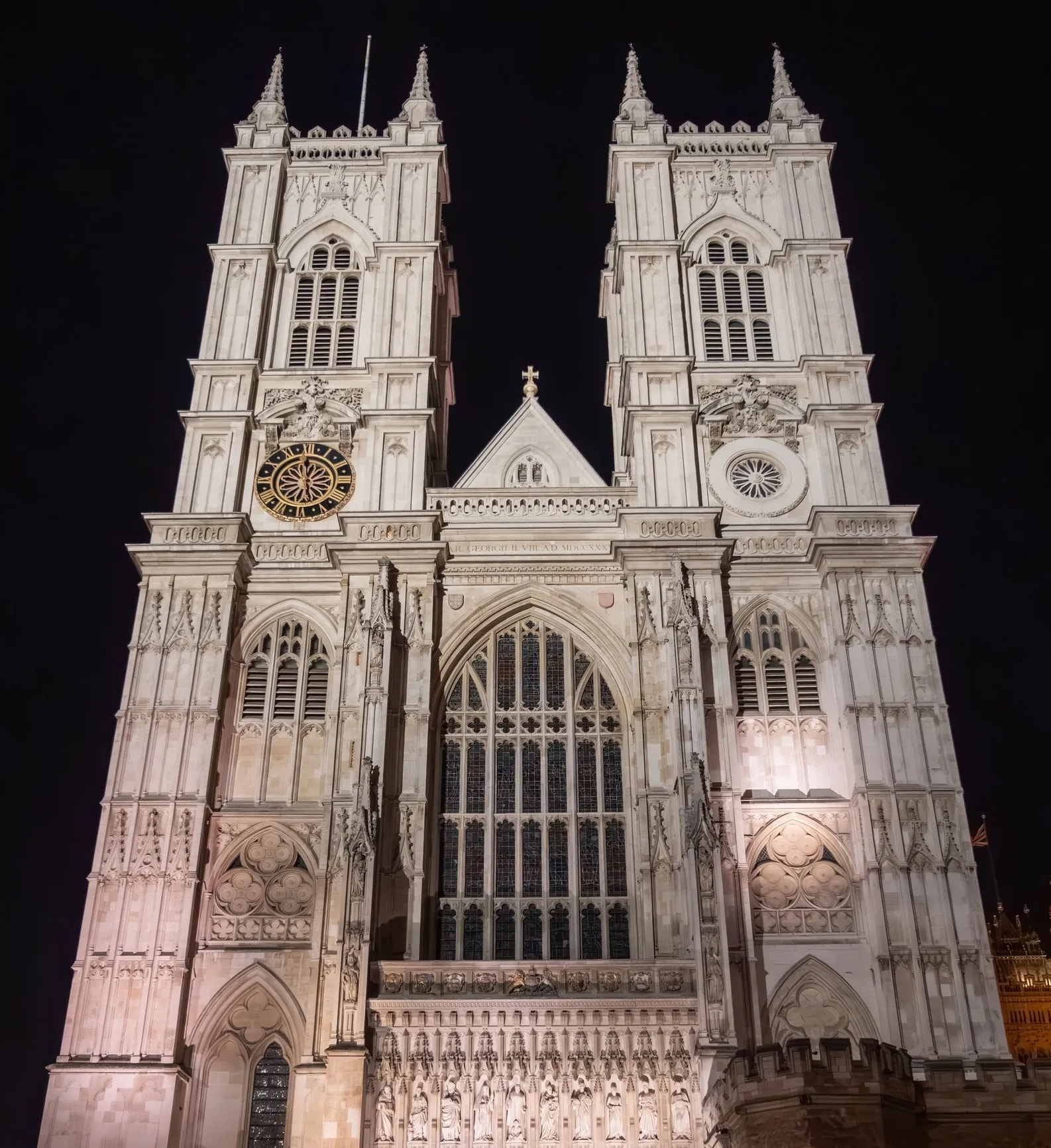
Continue round to the Abbey. Every coronation since 1066 has taken place here. It's also the burial place of kings, queens, poets and scientists — from Chaucer to Darwin to the Unknown Warrior. The front façade is one of the great sights of London. If you go inside, allow at least an hour.
Nearly a Thousand Years
The building you see today was largely rebuilt by Henry III in the 13th century, though there has been a church on this site since at least the 10th century. Every English monarch since William the Conqueror has been crowned here, with two exceptions. Poets' Corner in the south transept commemorates Chaucer, Shakespeare, Dickens, Hardy, Austen and dozens more.
Parliament Square
The political heart of the UK
Cross into the square. The Houses of Parliament and Big Ben (officially the Elizabeth Tower) are on your left. The Supreme Court — the highest court in the UK — is in the building that used to be Middlesex Guildhall. The statues arranged around the square form an outdoor gallery of political history: Churchill, Lincoln, Gandhi, Mandela, Millicent Fawcett and more.
The Statues
The square has been accumulating statues since the 1870s. Winston Churchill (1973) is the most famous. Abraham Lincoln (1920) was a gift from the United States. Millicent Fawcett (2018), the suffragist campaigner, was the first statue of a woman erected in the square. Nelson Mandela (2007) and Mahatma Gandhi (2015) reflect the square's evolution into a broader monument to democratic leadership.
Quick Cabbie Tips
- Comfortable shoes are essential — there's a fair amount of walking and standing.
- St James's Park is free and one of the best picnic spots in central London.
- The War Rooms and the Abbey both need tickets and get busy — book ahead if you want to go inside.
- Parliament Square is open and free to walk around at any time.
- For the Changing of the Guard, arrive between 10 and 11am on Monday, Wednesday or Friday.
Nine more routes
The Full London Collection
East London, South Bank, Kensington, Greenwich, Camden and more. One payment. All guides. More added over time.
Cabbie's London · Real recommendations from the driver's seat · Enjoy the walk