
Cabbie's London — Greenwich
Greenwich Walking Route
Royal Observatory → Maritime Museum → Naval College → Cutty Sark → Greenwich Market
Walk Map
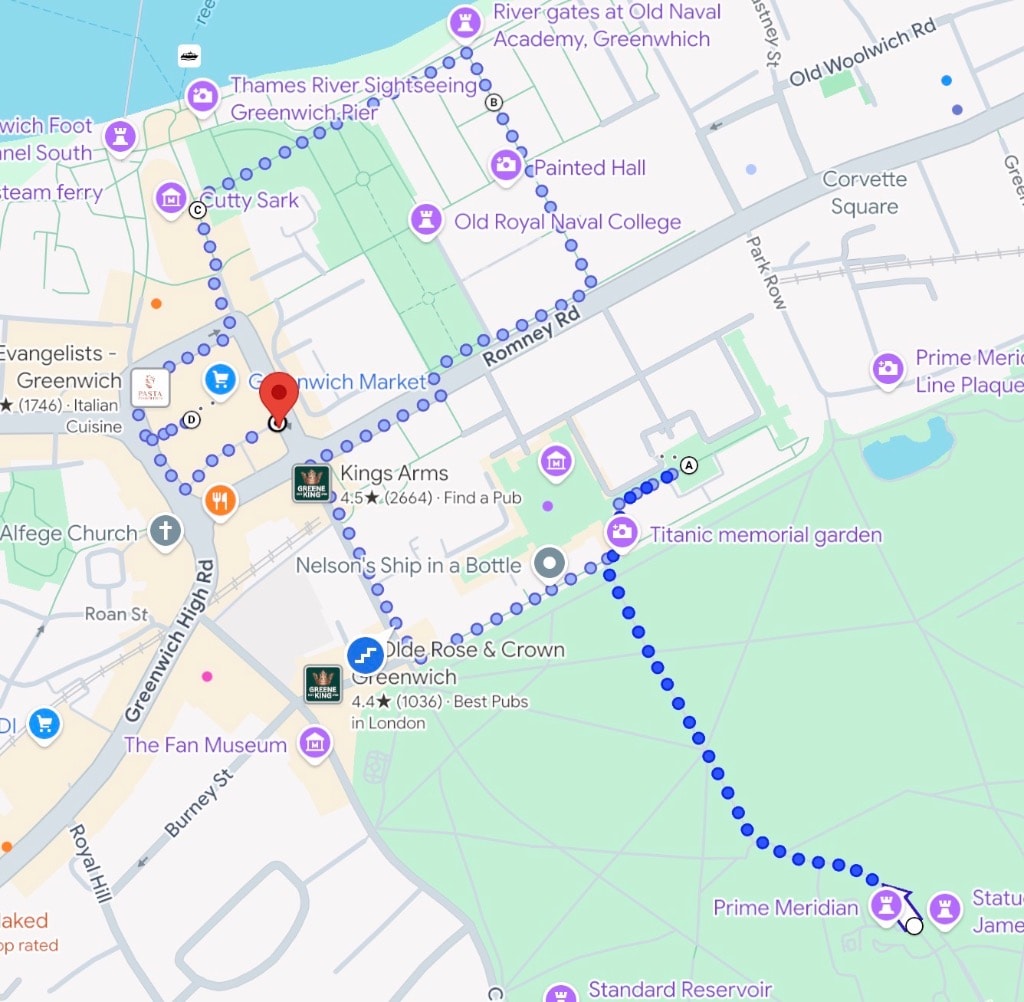
The Route
Stop by Stop
Royal Observatory
Start here — top of Greenwich Park, SE10
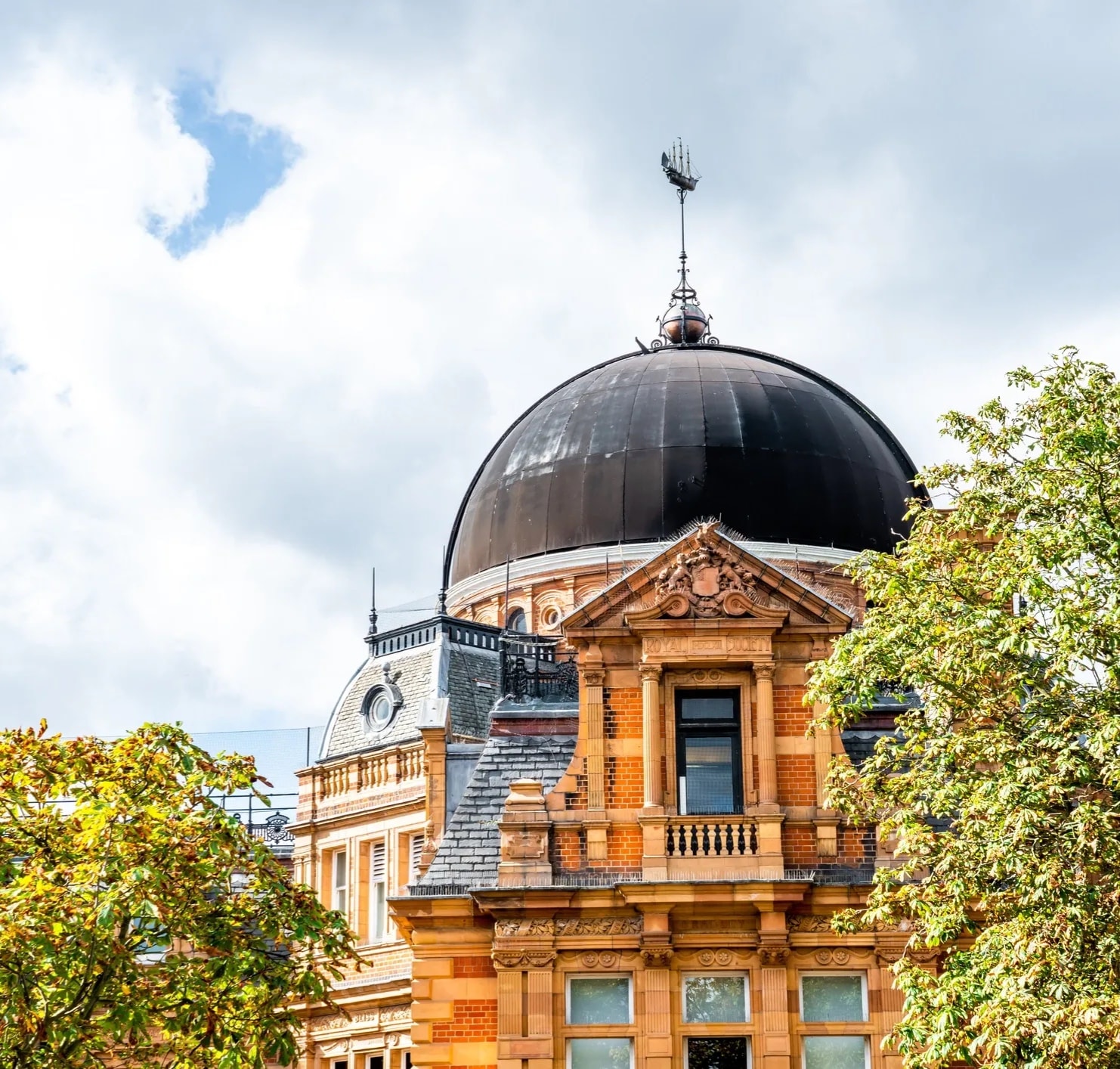
Start at the top of Greenwich Park at the Royal Observatory. Take in the spectacular views across London before heading down through the park — Canary Wharf dominates the skyline to the north, with the City visible beyond. The Observatory requires a ticket to enter, but the views from the hill are free and among the best in London.
Where Time Begins
The Royal Observatory was commissioned by King Charles II in 1675 to improve navigation at sea, particularly the problem of calculating longitude. The Prime Meridian running through Greenwich was eventually adopted internationally as 0° longitude in 1884, making Greenwich the reference point for time zones across the world. The famous red time ball on top of the Observatory drops every day at 1pm — a tradition dating back to 1833, when ships on the Thames would set their chronometers by it before heading out to sea.
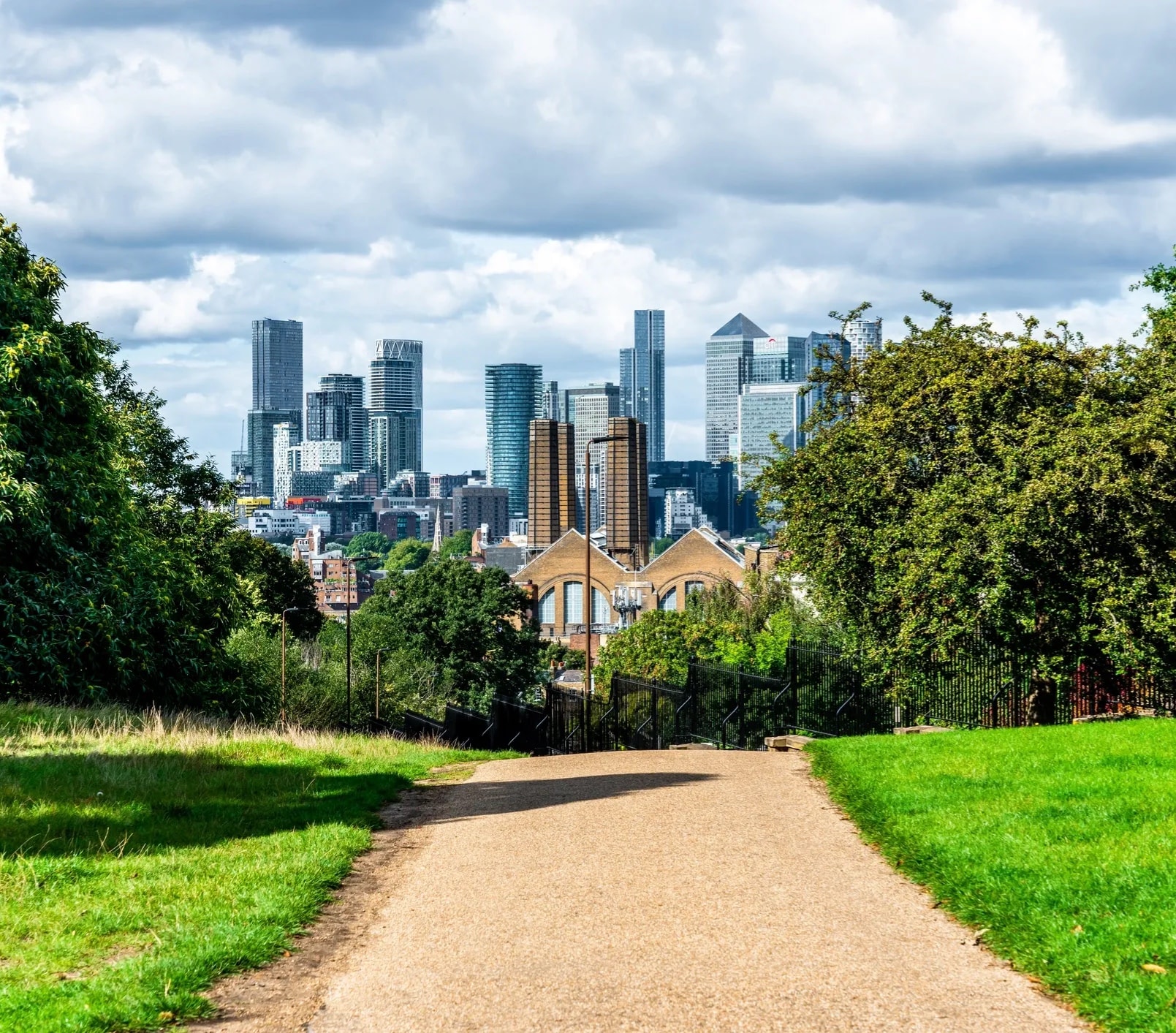
Greenwich Park
Greenwich Park — walking downhill towards the museum
Walk downhill through Greenwich Park towards the National Maritime Museum. The park is one of London's eight Royal Parks and has a different character from the flat central parks — the hill, the deer enclosure, and the formal gardens around the Queen's House give it a more varied landscape. Take your time on the descent.
Henry VIII's Hunting Ground
Greenwich Park has been a royal hunting ground since the 15th century. Henry VIII was born at Greenwich Palace in 1491 — the palace stood where the Old Royal Naval College now stands — and introduced deer into the park. The park covers 183 acres and has been enclosed since 1433. The avenue of chestnut trees running down from the Observatory was planted in the 17th century on the orders of Charles II, who also commissioned the Observatory. The deer enclosure in the southeast corner still holds a small herd.
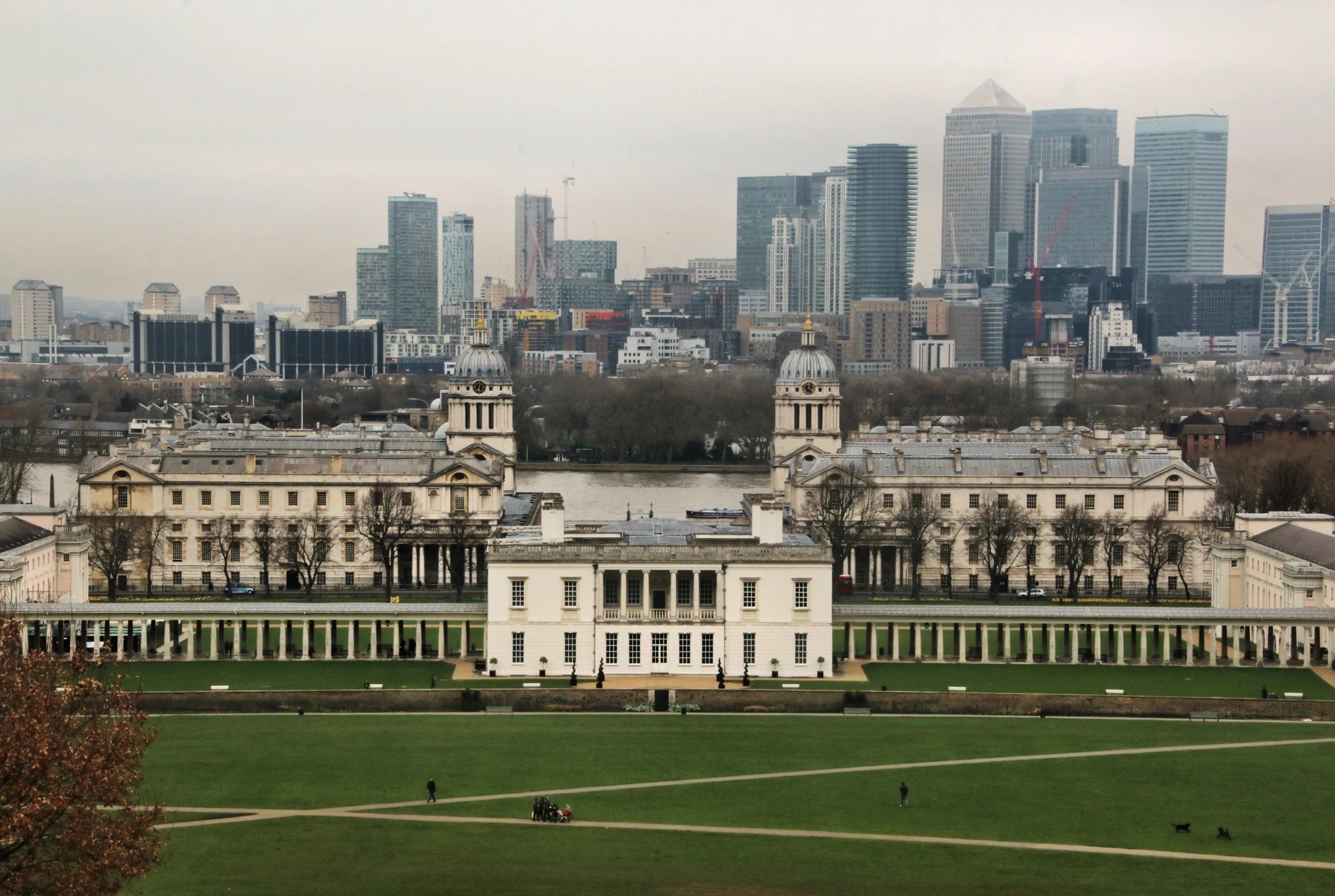
National Maritime Museum
Romney Road, SE10 — free entry
At the bottom of the park, the National Maritime Museum is free to enter and well worth a visit if you have time. The collection covers Britain's naval history, exploration, trade and life at sea. The building connects directly to the Queen's House, a beautiful Palladian villa that predates the museum and is also free.
The World's Largest Maritime Museum
The National Maritime Museum opened in 1937 and is the world's largest maritime museum, with a collection of over two million items covering charts, instruments, paintings, models and personal objects. Greenwich's historic buildings — including the Royal Observatory, the Queen's House and the Old Royal Naval College — form part of the Maritime Greenwich UNESCO World Heritage Site, designated in 1997. The Queen's House, designed by Inigo Jones and completed in 1635, was the first classical building in England and is considered one of the most important architectural works in the country.
Old Royal Naval College
King William Walk, SE10 — grounds free
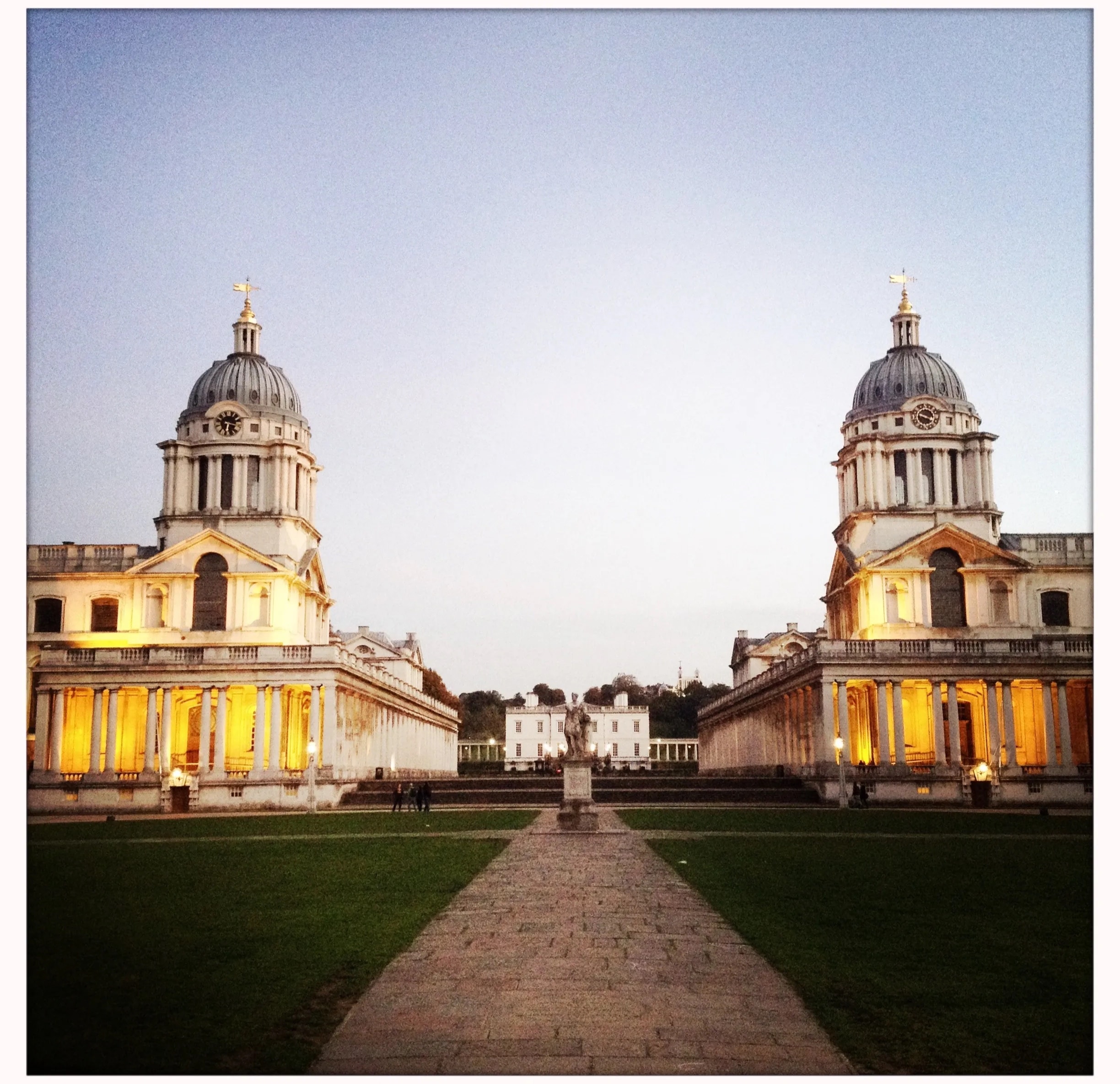
Cross the road to the Old Royal Naval College. Explore the grounds and admire the impressive baroque buildings before heading towards the river. The grounds are free to walk through. The Painted Hall inside is worth the small entry fee — it is one of the finest baroque interiors in Britain.
Wren's Masterpiece
The magnificent buildings were originally built as the Royal Hospital for Seamen, providing accommodation for retired and injured sailors — the Greenwich equivalent of the Royal Hospital Chelsea. Sir Christopher Wren designed the original complex, with construction beginning in 1696. The Painted Hall inside is covered with spectacular early-18th-century paintings by James Thornhill and took 19 years to complete. It was intended as a dining hall but was considered too grand to eat in, and was instead used as a picture gallery. Nelson's body lay in state here in 1805 before his funeral at St Paul's.
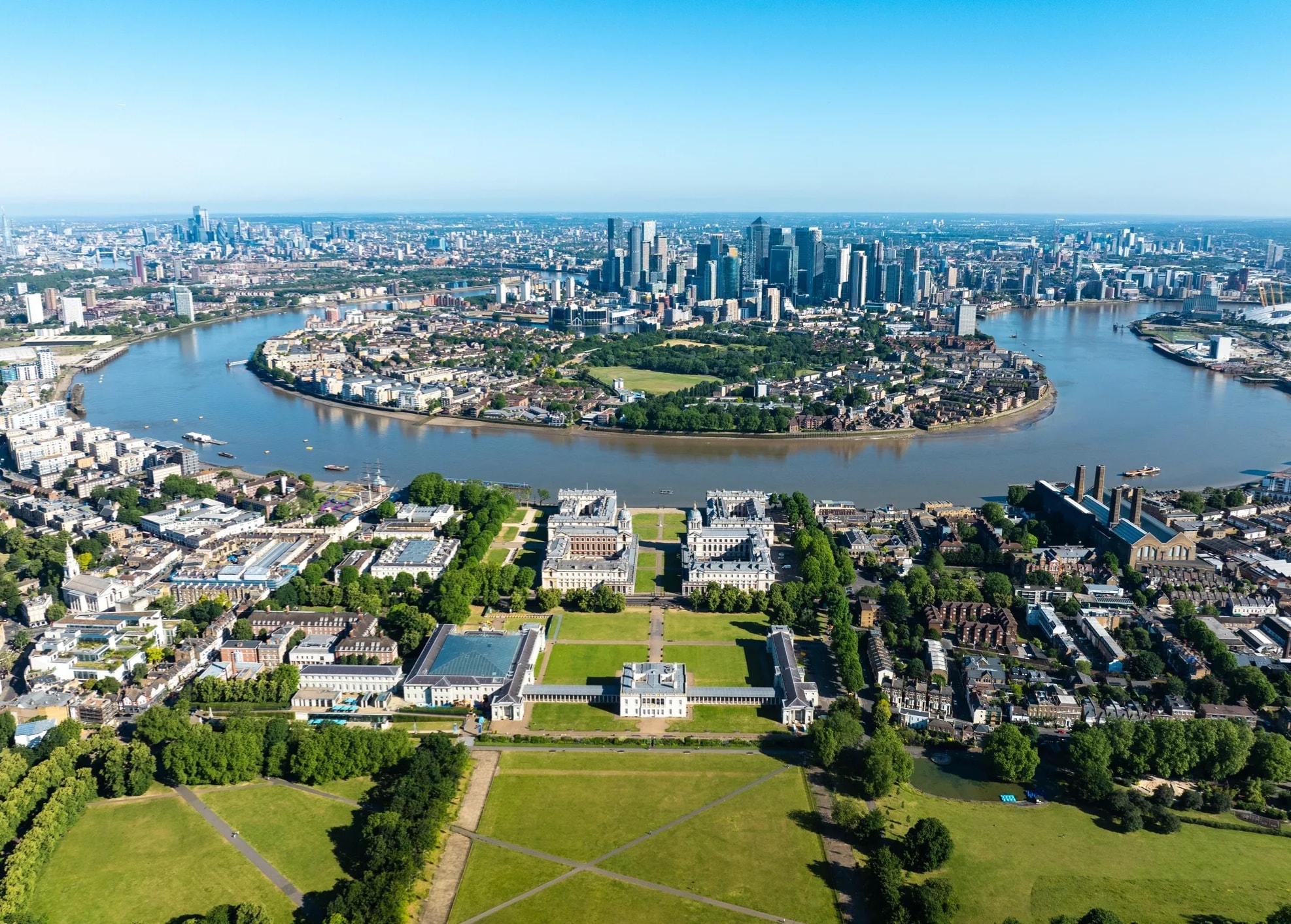
Greenwich Riverside
Thames riverside walk, SE10
Walk along the Thames towards the Cutty Sark. Enjoy the riverside views across to Canary Wharf and the Isle of Dogs. The contrast between the 17th-century naval buildings behind you and the glass towers of Canary Wharf directly opposite is one of the most striking views in London.
The View Across the River
The view from Greenwich riverside looking north across the Thames to Canary Wharf is one of the most photographed in London. The Isle of Dogs — the peninsula directly opposite — was marshland until the West India Docks were built there in 1802. The docks closed in 1980 and the area was redeveloped as Canary Wharf from 1988 onwards. One Canada Square, the pyramid-topped tower that dominated the skyline for years, was completed in 1991. The Foot Tunnel under the Thames, a short walk east, connects Greenwich to the Isle of Dogs and dates from 1902.
Cutty Sark
King William Walk, SE10 — tickets required to board
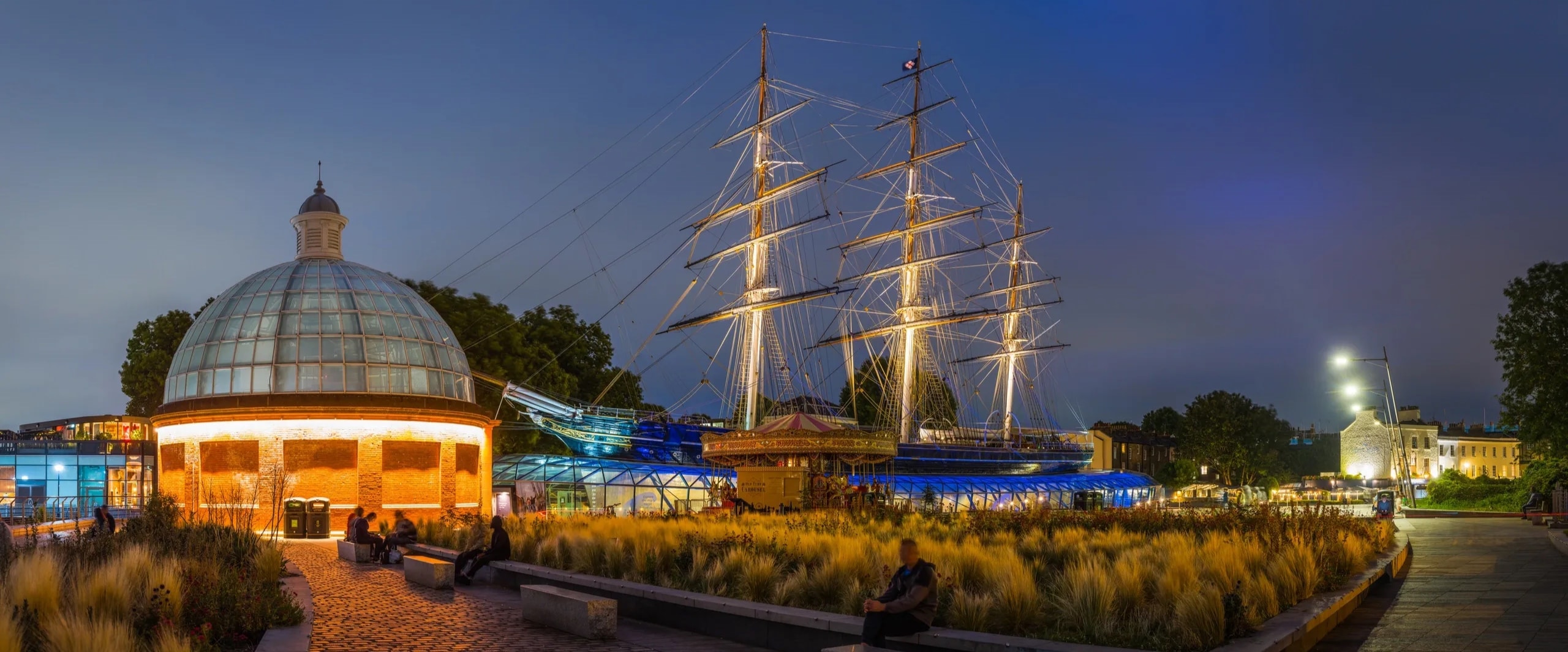
Stop at the Cutty Sark, one of London's most famous historic ships. You can explore inside — tickets required — or simply admire it from the riverside. The ship is raised on a glass platform so you can walk underneath the hull, which gives a good sense of the scale of the vessel.
The Fastest Ship of Her Day
The Cutty Sark was launched in 1869 and was built for the tea trade between Britain and China. She was designed for speed and could carry large quantities of cargo across the world's oceans. Her name comes from the Scottish term for a short nightdress, inspired by the witch Nannie in Robert Burns' poem Tam o' Shanter — the figurehead shows Nannie reaching for the tail of Tam's horse. After the tea trade declined, she switched to the wool trade from Australia. She was badly damaged by fire in 2007 while undergoing restoration, but was repaired and reopened in 2012.
Greenwich Market
College Approach, SE10
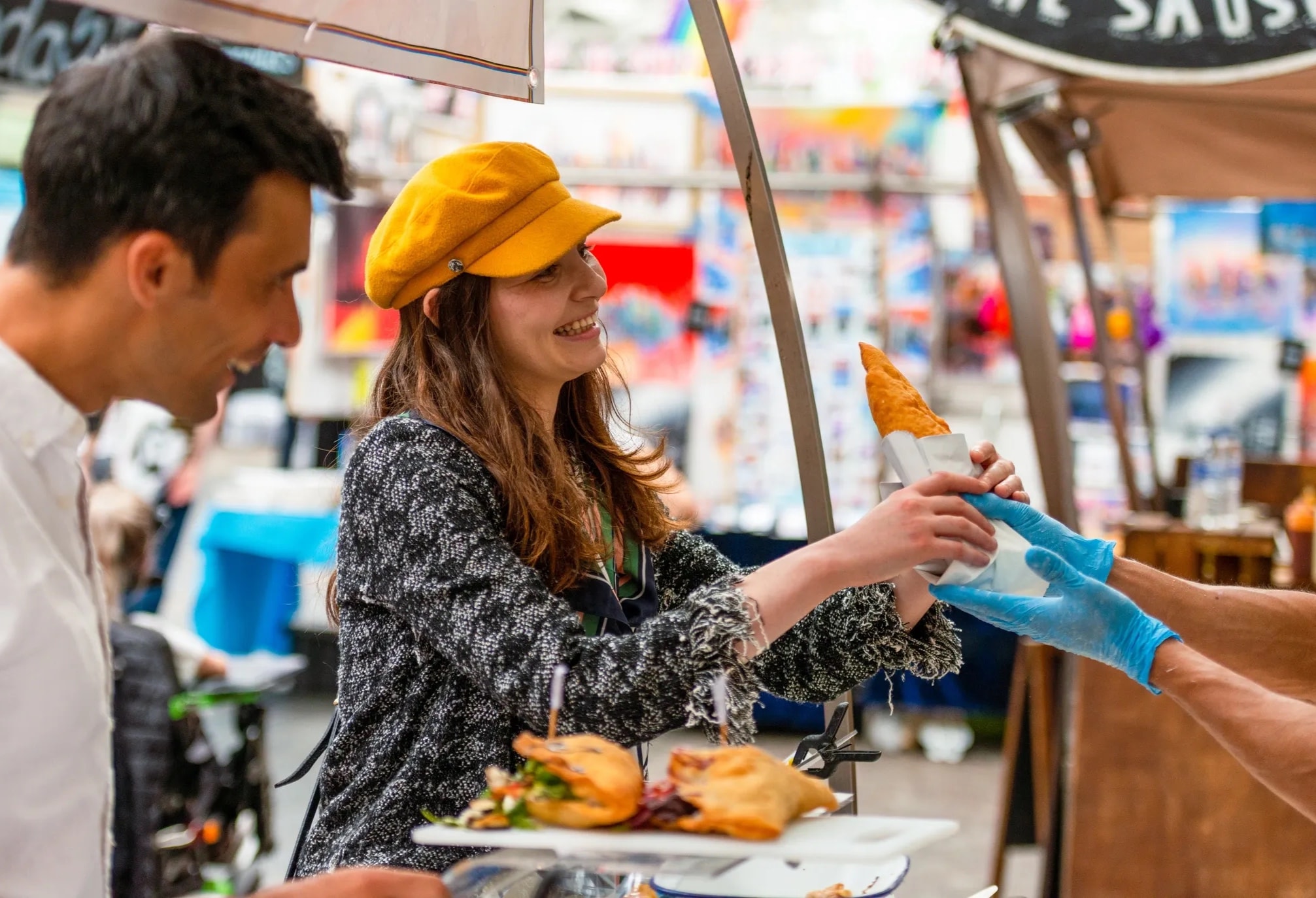
Head inland towards Greenwich Market. Browse the food stalls, independent traders, shops and crafts before deciding where to stop for something to eat. The market is covered, which makes it a good option in any weather. The surrounding streets have a good mix of independent shops and cafés.
Trading Since 1737
Greenwich Market has been operating on its current site since 1737. What began as a market for fruit, vegetables and other goods has evolved into today's mix of street food, antiques, crafts, clothing and independent traders. The covered market building dates from the early 19th century. The market is busiest at weekends, when the food stalls in particular draw large crowds. The surrounding streets — particularly Greenwich Church Street and College Approach — have a concentration of independent shops and restaurants that give Greenwich a distinct character from most of London.
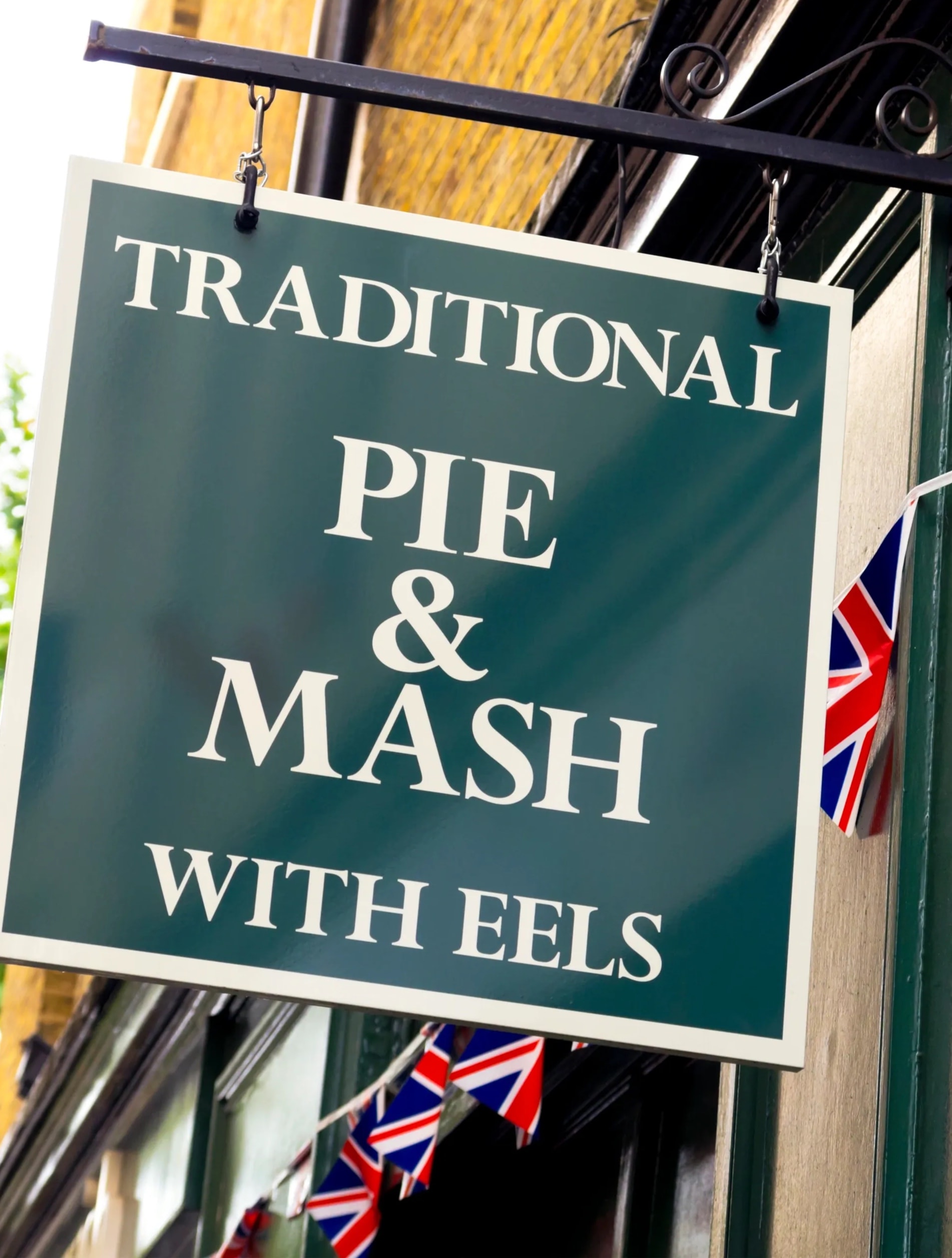
Goddards — Pie, Mash & Liquor
22 King William Walk, SE10
For a traditional London meal, try Goddards at Greenwich for pie, mash and liquor. The liquor is a parsley sauce — nothing to do with alcohol — and is the traditional accompaniment. Alternatively, Cumberland Cafe on Nevada Street is a local option for a traditional café breakfast or a sausage-based meal.
A London Institution Since 1890
Goddards has been serving traditional pie, mash and liquor since 1890. The dish became particularly associated with working-class London and was once one of the city's staple cheap meals, sold from pie and mash shops across the East End and South London. The liquor — a green parsley sauce — is unique to the London pie and mash tradition and has no equivalent elsewhere. Most of the original pie and mash shops have closed over the decades; Goddards is one of the few remaining examples still operating in a traditional format.
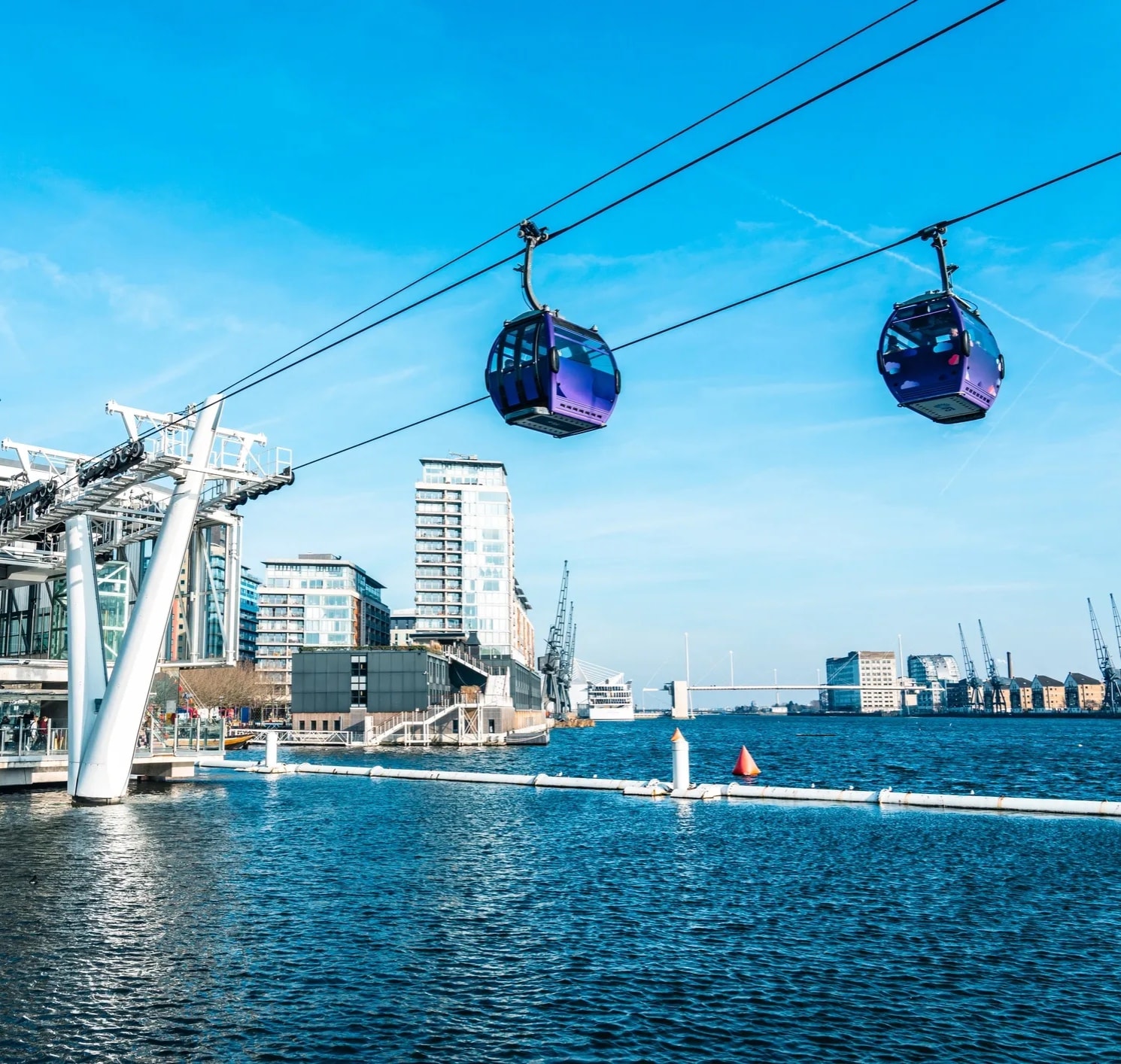
Optional: The O2 & Cable Car
Peninsula Square, SE10 — short cab ride from Greenwich
If you have time, take a cab over to The O2. Explore the shops and restaurants, see what's on, or try the Up at The O2 roof walk. You can also take the cable car across the Thames towards Royal Victoria and ExCeL London — it gives a completely different view of the river from above.
From Dome to Destination
The building originally opened as the Millennium Dome in 2000, built to house the Millennium Experience exhibition. It was widely criticised at the time and closed after a year. It was later transformed into The O2, reopening as an entertainment venue in 2007. It is now one of the busiest music venues in the world by ticket sales. The nearby cable car — the Emirates Air Line — crosses the Thames between Greenwich Peninsula and the Royal Docks, a journey of about ten minutes. It opened in 2012 and was the first urban cable car in the UK.
Quick Cabbie Tips
- Start at the Observatory and walk downhill through Greenwich Park — it's a much better route than starting at the river and walking up.
- Comfortable shoes are recommended — Greenwich Park has some steep sections, particularly around the Observatory.
- The National Maritime Museum is free. The Observatory and Cutty Sark require tickets — worth booking in advance at weekends.
- Greenwich Market is busiest at weekends. The food stalls are the main draw — arrive hungry.
- The O2 and cable car work best as optional extras if you have more time. A cab from Greenwich Market takes about five minutes.
- Allow extra time if you want to visit the Painted Hall inside the Old Royal Naval College or go inside the Cutty Sark — both are worth it.
- The view from the top of Greenwich Park looking north across the Thames to Canary Wharf is one of the best free views in London.
Nine more routes
The Full London Collection
East London, Westminster, City of London, South Bank, Kensington, Notting Hill, Camden, Hampstead and more. One payment. All guides. More added over time.
Cabbie's London · Real recommendations from the driver's seat · Enjoy the walk